
CRM, ERP and an AI team in one system. Duke proposes, you approve.
The AI operating system for business.
Beyond CRM. Beyond ERP. Software that builds itself around the way you work, and an AI that runs it with you.
Built by SmartDuke TechnologiesBuilding software since 20138 live demo businesses
Every business runs on messages, lists and reminders.
One system. One AI teammate.
DukeOS01The week
Where the owner's week actually goes.
It never shows up on a report. It shows up as a late night on WhatsApp, a lead nobody called back, and a renewal that quietly didn't happen.
01WhatsApp answered at 11 pm
Prices, timings, “is tomorrow free?”. Every question waits for the owner, so customers wait too, and some book somewhere else.
02Leads that live in a notebook
The enquiry came in on Instagram, the number went on a sticky note, and the follow-up never happened.
03Renewals nobody chased
Memberships and packages run out on a date everyone knew. Nobody had the list in front of them that morning.
04Invoices you chase by hand
Who has paid, who hasn't, who needs a polite nudge. It's in three places, so it's checked in none.
05Six apps that don't talk
A booking app, a billing app, a spreadsheet, a WhatsApp group and a notebook. You are the integration.
All five start in the same place: the business lives in the owner's head and phone, spread over apps that only store data. DukeOS runs it in one system, with an AI that does the work.
02Beyond CRM and ERP
Not another CRM. Not another ERP.
For thirty years, business software stored what you did. DukeOS is the first kind that does the work with you, and builds itself as you ask.
✦The future of software
Software used to be written by developers, one feature at a time. Now it is described. You say what your business needs, and the system builds it, safely, inside rules you control.
03How it works
Your business, run as one AI workflow.
Duke reads the business, prepares the work and asks you once. You approve in seconds.
Every customer answered, day and night.
- Answers on WhatsAppPrices, timings and questions, from what you've told it.
- Books and capturesFree slots offered, bookings made, new leads saved to the CRM.
- Hands over when it shouldA complaint or a big order goes to a person, with the chat attached.

Pulse FitnessWhatsApp · Duke on duty
● On dutyHi, do you have a trial class this Saturday? How much is a monthly plan?
Hi Arjun! Saturday has a free trial at 8 am and 5 pm. The monthly plan is $59. Shall I book you in?
5 pm please
Booked: Saturday 5 pm trial with Priya. I'll send a reminder that morning.
| New lead · Arjun Mehta | Trial booked |
| Reminder | Sat 9:00 am |
Every reply is logged on the customer's timeline
The day, ready before you are.
- Reads the business every morningRenewals, unpaid invoices, leads going cold, low stock.
- Prepares each next stepReminders drafted, calls listed, orders suggested.
- One tap to approveGrouped, biggest first, so you decide in seconds.

DukeMorning brief · Tuesday
Good morning. Three things need you today, biggest first.
| Reminders drafted on WhatsApp | 14 |
| No visit in 3 weeks | 4 |
Send all 14Review
| Polite reminder drafted | 6 |
ApproveSkip
Ask Duke: “who hasn't visited this month?”
Missing a page? Ask for it.
- Describe it in plain words“A Properties page with price, area and status.”
- Duke builds itFields, list, menu item and who can see it.
- You approve the changeA preview first, then it's live for your team.

DukeSkyline Realty
Add a Properties page: title, price, area, bedrooms and status, linked to the buyer.
Here's the page I'll create. Approve and it goes in your menu under Sales.
| Title · Price · Area | 5 fields |
| Bedrooms · Status | Available / Booked |
| Linked to | Contacts |
ApproveChange something
Every change is previewed, approved and audited
04Then it runs
Everything a CRM and ERP do. One system.
Customers, sales, bookings, money, stock and messages share one database, one team and one assistant. Switch on what you need.
Bookings & members
Calendars, classes and renewals that run themselves.
- Bookings
- Memberships
- Attendance
- Customer app
Messages & AI
Your WhatsApp and email, with Duke on every page.
- AI agents
- Goals
- Automations
05Industries
Built for the way your business runs.
Duke sets up the pages, pipeline and messages for your type of business. Each one has a live demo to click through.


06In your control
You approve. Duke does the work.
An assistant you can trust with the business, because it can't act without you.
07Pricing
Three plans. Every app.
Priced per business, not per seat. Build it free first; pay when you go live.
Starter
$49/ month
One location, up to 3 team members.
- Duke the assistant: ask anything, drafts, daily insights
- WhatsApp and email
- Your brand on a smartduke.app address
GrowthMost pick
$99/ month
A growing team, up to 10 team members.
- Duke on duty: answers your customers on WhatsApp
- Goals: give Duke a number and a date
- AI agents: jobs in plain words, on a schedule
Pro
$199/ month
Bigger teams and branches, up to 25 team members.
- Your own domain, like app.yourbusiness.com
- Unlimited branches with their own hours, staff and stock
- Priority support
08Partners
Sell DukeOS as your own.
For agencies, developers and freelancers who want a software business without building the software.
Your brand on every client's app.
Your logo, domain and assistant name. One console for every client.
Pricing on request
For agencies →Start your own AI CRM company.
Only the code, with a year of updates and developer support. Host it, change it, sell it to unlimited clients and support them yourself.
Pricing on request
Source licence →09Custom software
Need something built just for you?
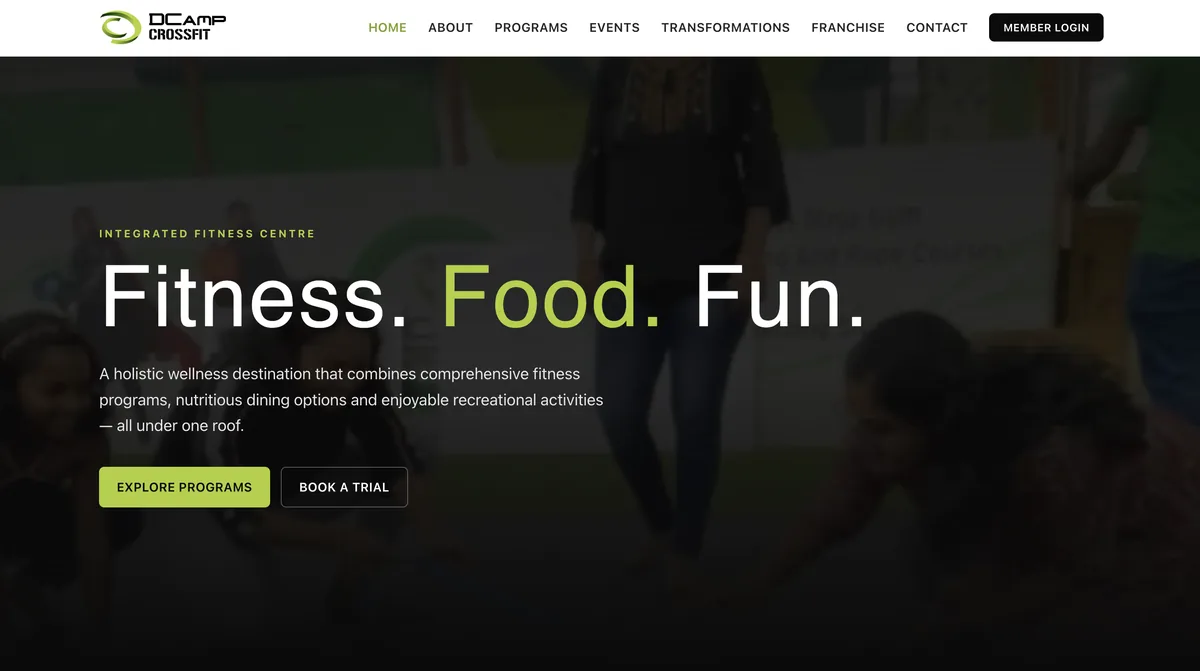
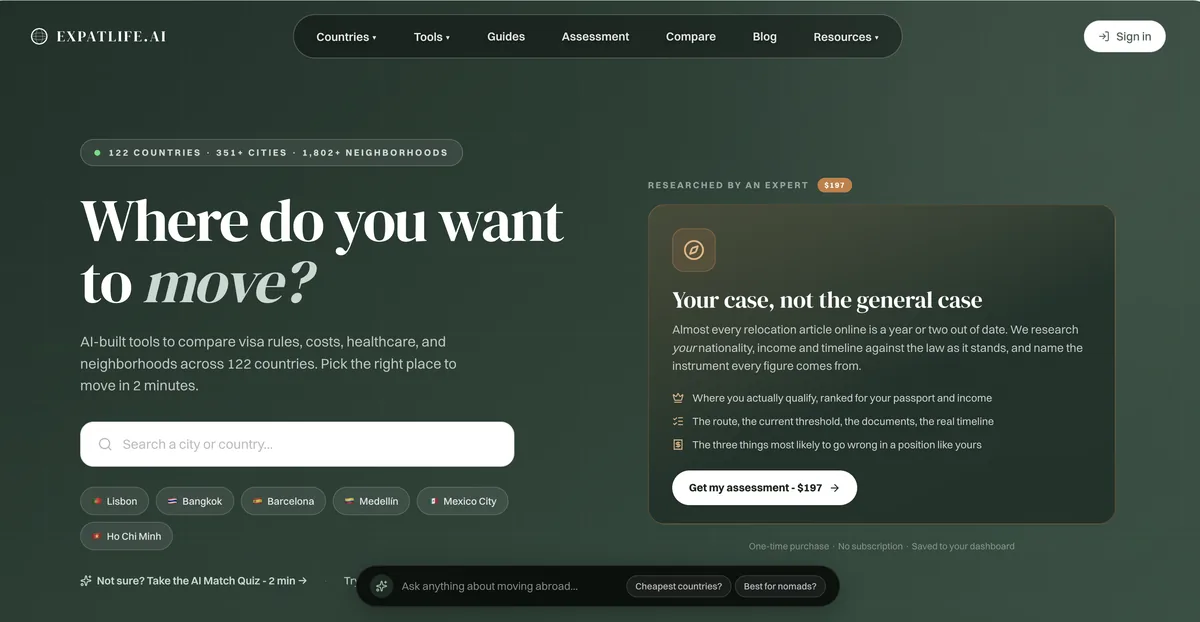
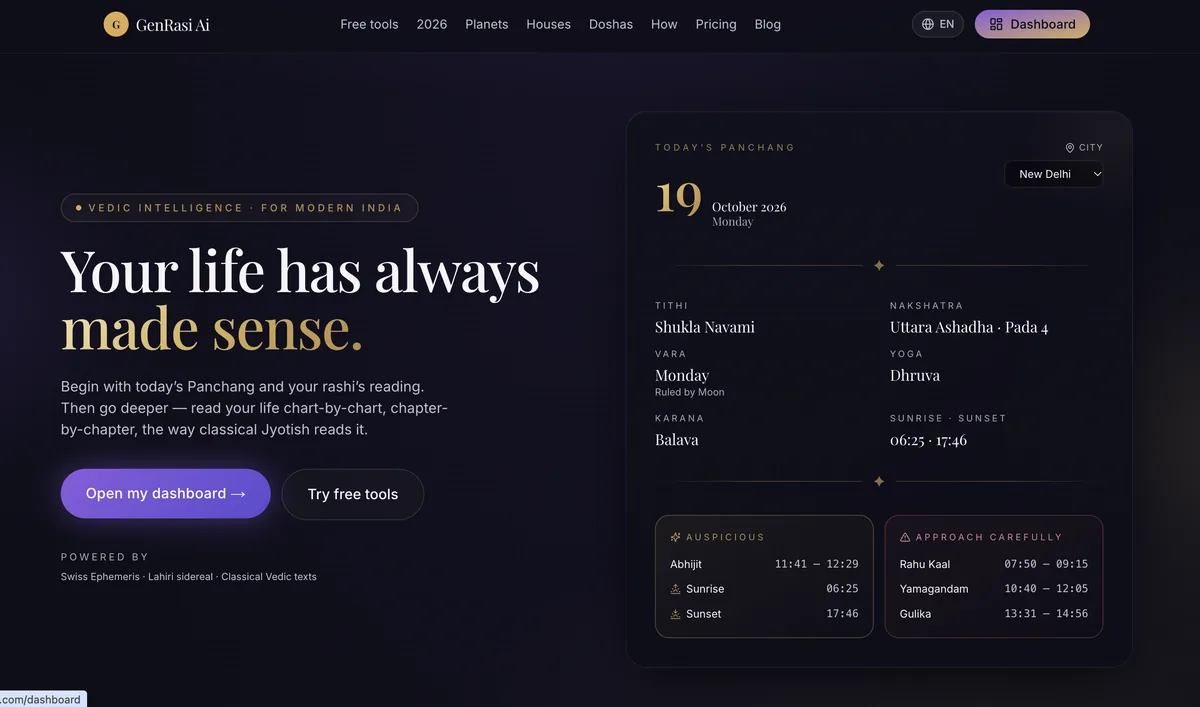
DukeOS is made by SmartDuke Technologies, a software studio since 2013. We also design, build and run custom platforms and AI products for companies worldwide.
10Questions
DukeOS, in short.
What is DukeOS?
DukeOS is the AI operating system for business, made by SmartDuke Technologies. It puts CRM, ERP-style operations (invoicing, stock, branches), WhatsApp and AI agents in one system, with Duke, an AI teammate that answers customers, prepares the day's work and builds new pages. Nothing changes without the owner's approval.
How is an AI operating system different from a CRM or an ERP?
A CRM stores customers and an ERP stores operations; people still do the work. DukeOS does the first pass of the work itself: Duke replies on WhatsApp, drafts reminders and invoices, and builds missing pages when you describe them. You approve, and every change is recorded.
Does DukeOS work with WhatsApp?
Yes. Each business connects its own WhatsApp number. Duke on duty answers customers day and night, books visits, saves new leads to the CRM and hands a conversation to a person when it should.
How much does DukeOS cost?
Plans are priced per business, not per seat: Starter $49, Growth $99 and Pro $199 a month, with every app in every plan. Yearly billing gives two months free. You can build your system free and pay when you go live.
Which businesses can use DukeOS?
DukeOS is ready for 46 kinds of business, including gyms, clinics, salons, real estate agencies, coaching institutes, shops and agencies. Duke sets up the pages, pipeline and messages for your type of business, and you can ask for anything that's missing.
Can I sell DukeOS under my own brand?
Yes. Agencies resell it with their own logo, domain and assistant name. Developers can take a source licence and host the code themselves.
Do you build custom software too?
Yes. SmartDuke Technologies, the company behind DukeOS, has built custom software since 2013: platforms, apps, websites and AI products for companies worldwide. Tell us what you need on the contact page.

The operating system for the AI era of business.
See DukeOS in a live demo, or start free and let Duke set it up for your business.


